


Consulting and expertise in industrial water treatment
Aquastrat supports and advises manufacturers on their water management and industrial water treatment strategy, to ensure compliance with regulations and resilience to the consequences of climate change.
Talk to an expertWhy Aquastrat?
Mission
Faced with intensifying water stress and tightening environmental regulations, industrial companies must rethink their treatment infrastructure to combine compliance, cost-effectiveness, performance, and sustainability.
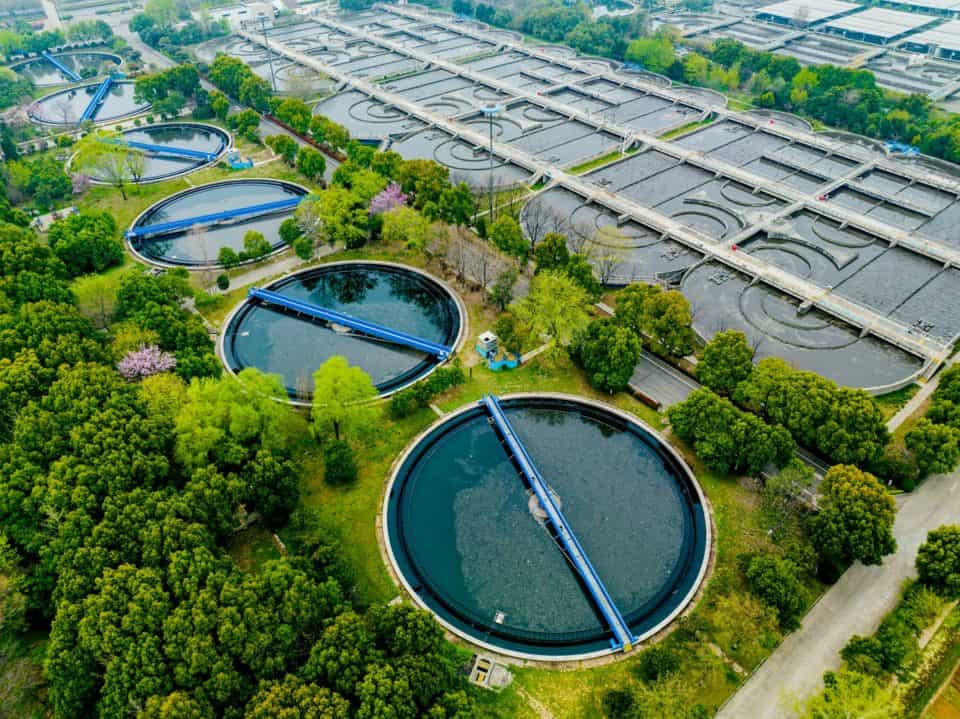
From strategy to implementation, Aquastrat designs and manages water management and industrial effluent treatment solutions focused on water efficiency. Our objective is to ensure regulatory compliance, climate resilience, resource optimization, and economic performance.
Our goal is to help you choose and implement facilities adapted to your current and future challenges, without compromising your profitability.

Regulatory Compliance
Ensure your compliance with environmental regulations to avoid penalties and secure your operations.
Anticipation & Resilience
Secure the continuity of your operations by reducing your water dependency and avoiding disruptions related to water stress.
Cost Reduction
Reduce your operating costs by choosing the most suitable technology for efficient water use.
Sustainability & Reputation
Enhance your company's reputation and meet long-term sustainable development goals.
Timely Delivery
Unblock your project and ensure its smooth management to guarantee its progress and timely delivery.
Vision & Foresight
Benefit from our 360° experience and opt for proven, sustainable solutions tailored to your present and future needs.
Areas of Expertise
Industries
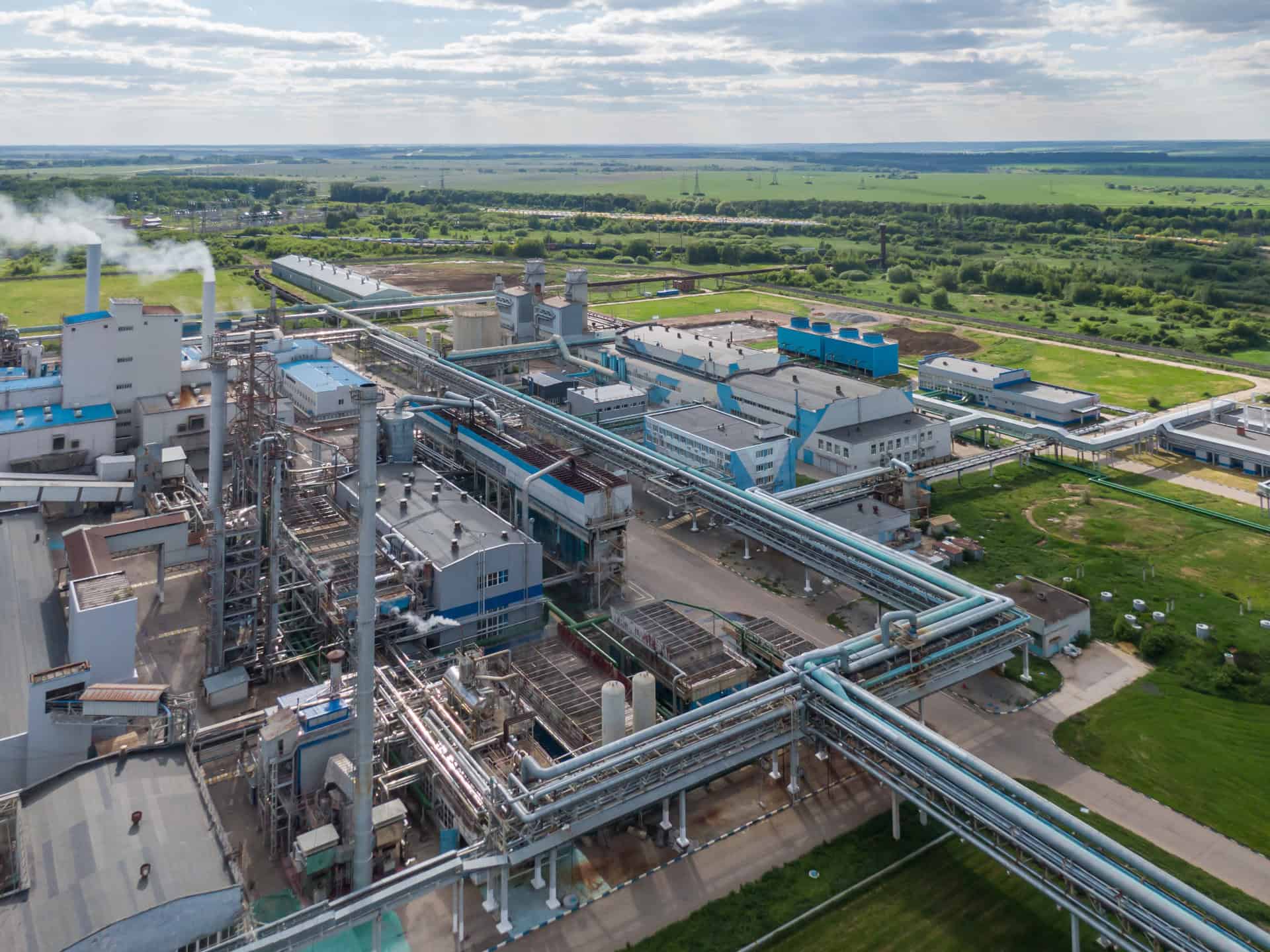
Aquastrat assists all types of manufacturers and projects in the following sectors.








Types of treated water
Applications
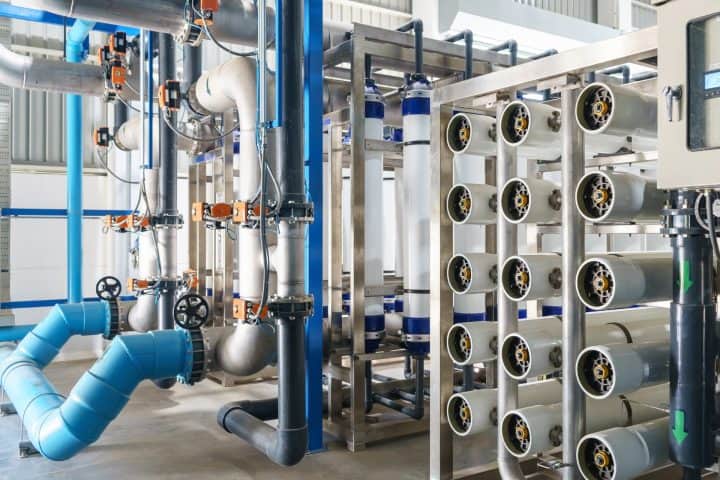
Aquastrat offers comprehensive expertise across all industrial water types: production, wastewater treatment, recovery and reuse, and targeted treatment of persistent compounds.
Strategy, Consulting, Implementation
Services
Aquastrat combines operational responsiveness with a long-term strategic vision to address industrial water challenges.
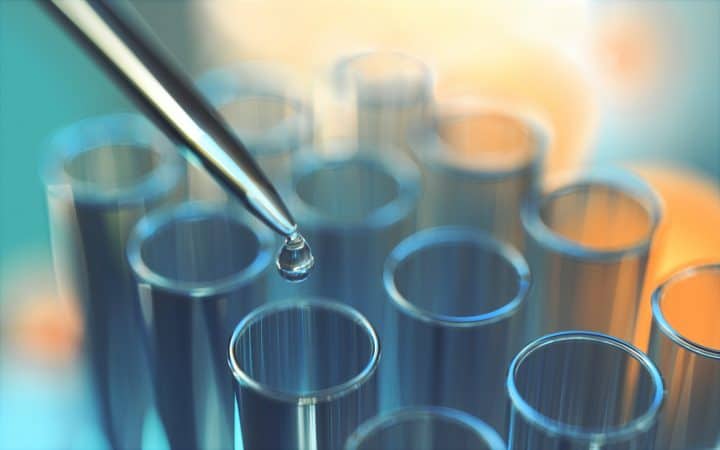
Operational Technical Consulting
Technical Expertise
Support and project owner assistance to address capacity increases and/or ensure regulatory compliance.
- Diagnosis and Situation Assessment
- Rapid Optimization of Existing Systems
- Feasibility Studies
- Preparation of Tender Specifications
Water Management Master Plan
Water Management Strategy
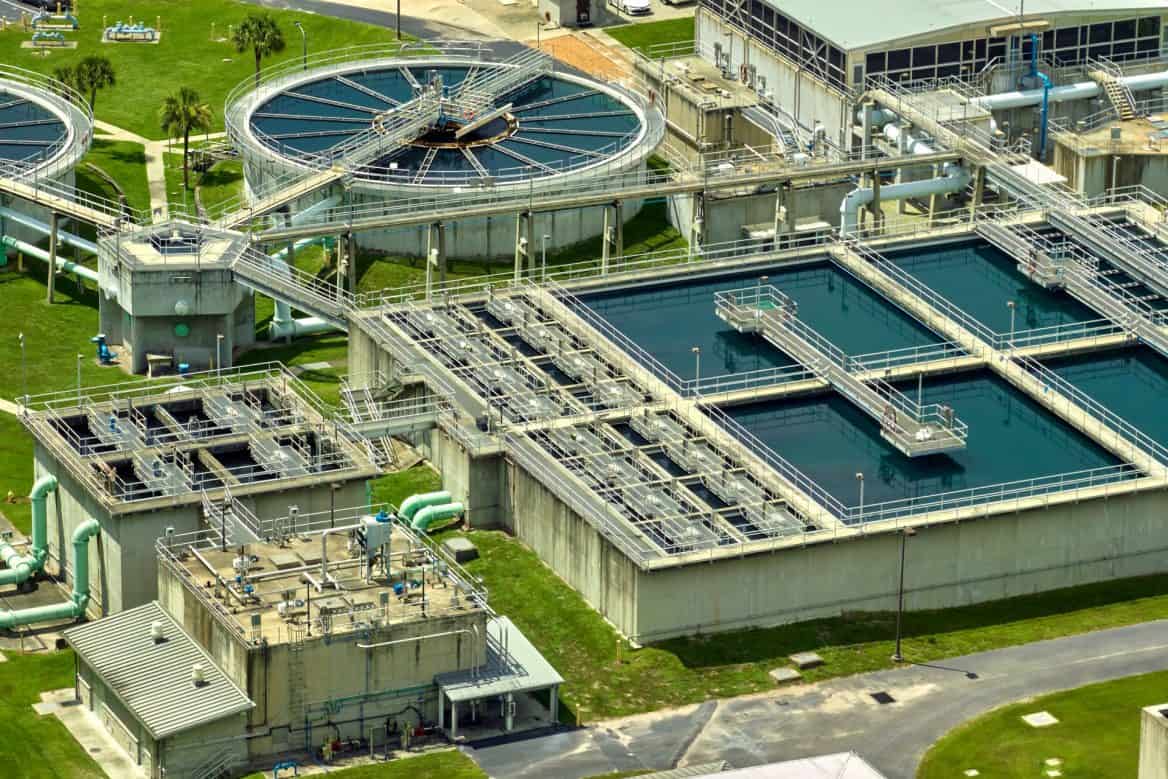
Comprehensive strategic approach to rethink and optimize water use in your industrial processes: water efficiency, water reuse and recycling between various processes, implementation streamlining, team engagement.
- Assessment of Existing Facilities
- Mapping of Water Usage (inlet, outlet, quantity, quality)
- Recommendations and Change Management
- Implementation: definition of technical solutions, preparation of consultation documents, monitoring

Do you have a water treatment project?
Benefit from our experience and solutions tailored to your challenges
Talk to an expert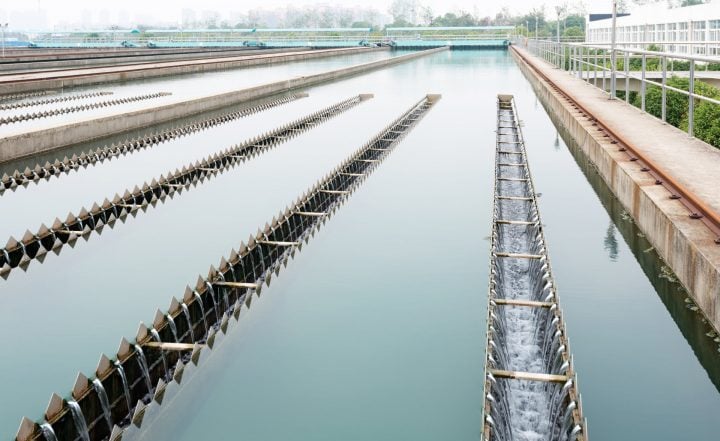
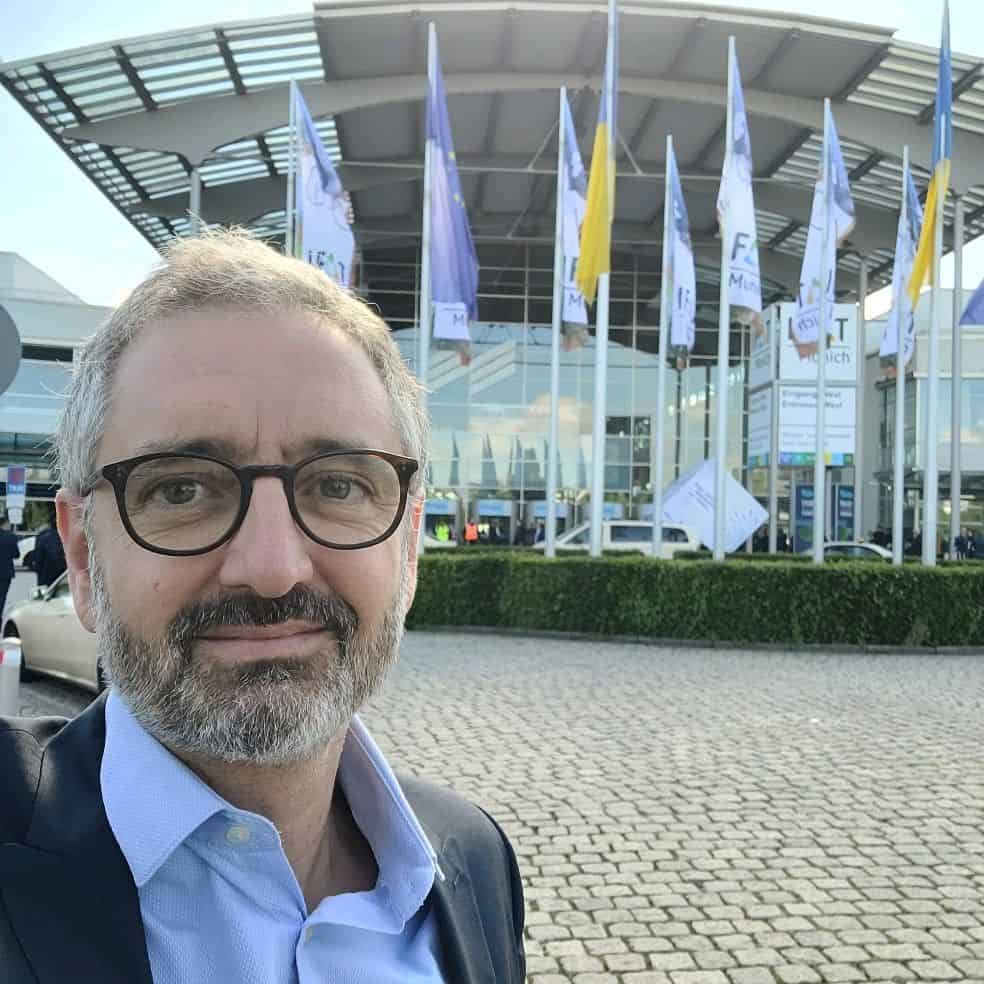
Eñaut Anderson, expert in industrial water management and treatment
About Aquastrat
With over 25 years of experience in industrial water treatment, I have worked for major players such as Veolia, Suez, Global Water Engineering, BlueGen Water, and Renault Group.
My background includes the design and sizing of complex facilities, research work in laboratories (France, Mexico, United Kingdom), and technical support and assistance in the operation of industrial facilities.
Today, I help industrial companies deploy infrastructure and creating sustainable water management strategies. I am involved in everything from equipment design to operation, and I facilitate relationships with regulatory and funding bodies (Water Agency, DREAL).
With applied and concrete technical expertise across all water treatment technologies, I can advise you on the processes best suited to your needs and train your teams (100+ professionals trained in France and internationally).
A 360° experience in industrial water treatment.
25
Years of experience in wastewater treatment
200
Industrial water treatment projects validated
10
Water master plans developed for industrial sites
25
Countries of operation (Europe, Asia, Africa, Latin America)
Testimonials
They trust us
Many industries have trusted Aquastrat for their water treatment or management projects. Read their testimonials and feedback.



Contact & Appointments
Let's discuss your project
Benefit from Aquastrat’s support and expertise. Specify your request in the following form and secure your water management today.
- Cost Reduction
- Regulatory Compliance
- Anticipation and Risk Reduction
- Increased Sustainability
Expertise across the entire technological spectrum of industrial water treatment processes
Technologies
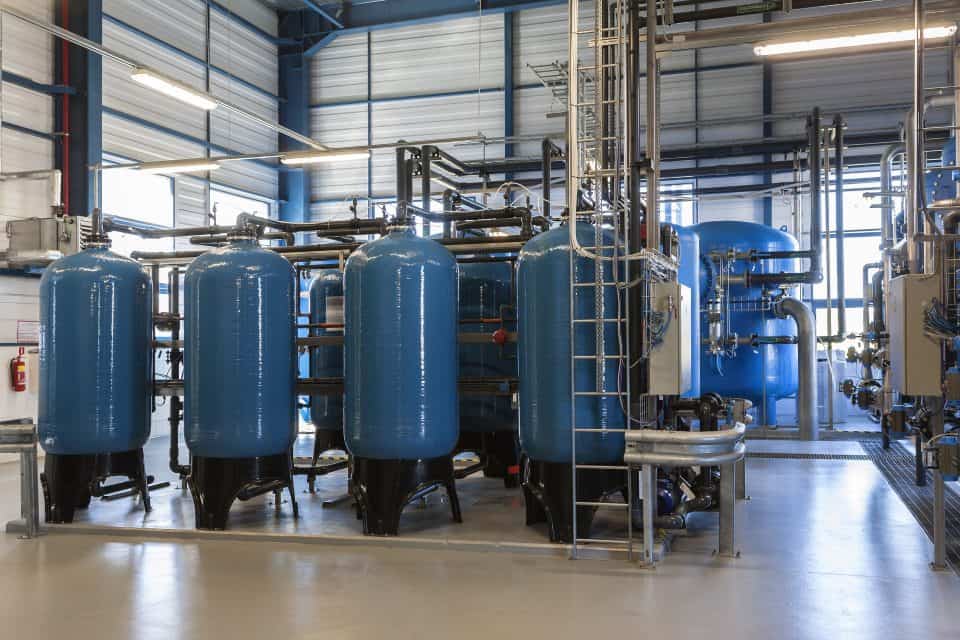
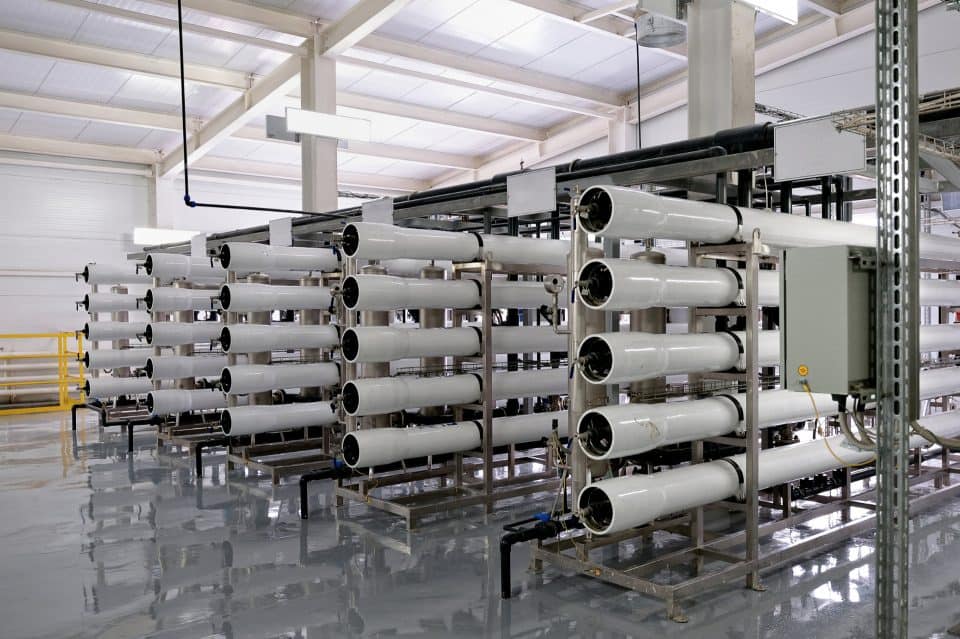
Aquastrat has expertise and applied experience across the entire technological spectrum of industrial water treatment.
Frequently Asked Questions (FAQ)
If your question does not appear in the following list, please feel free to contact us.
Are there public subsidies for wastewater reuse?
Yes. As part of the 12th program (a 6-year plan from 2025 to 2030), the Water Agencies fund studies and projects that enable a significant reduction in water resource abstraction or a notable improvement in the water consumption ratio per production unit.
Subsidies range from 40% to 60% for investment projects.
Studies are also funded, with grants ranging from 40% to 60%, or even up to 80% depending on the Water Agencies.Aquastrat assists industrial companies with public subsidy application procedures.
Do you operate only in France or also internationally?
We support industrial clients on projects both in France and abroad. We are currently assisting a client in Spain and are in discussions with other clients regarding needs in Asia (Indonesia) and Africa (Senegal).
How to protect my site during prolonged water stress?
Regulations, particularly the June 2023 “drought” decree and framework drought decrees, may impose consumption reductions of 10 to 25% in an alert situation, and 20 to 50% in an enhanced alert situation, within just 3 days.
Only sites that have reduced their consumption by at least 20% will be exempt.
The first step to implement this reduction is to develop a Water Sobriety Plan (WSP). Aquastrat provides its expertise to industrial clients to assist them in developing their WSP.Is wastewater reuse economically viable for an SME?
It is essential to consider the total cost of water when evaluating its economic viability.
- The price per m³ purchased
- The cost of water-related operations: equipment maintenance, energy consumption, labor…
- The cost in case of water unavailability: for example, a plasterboard production plant in Occitania (France) had to close its site for 3 weeks in the summer of 2023, by order of the local authorities, due to a drought period. A significant loss of earnings to be factored into the analysis.
The main savings are generally linked to improvements of existing systems and do not require investment.
What is a Water Management Master Plan? What is its purpose? Why implement one?
Until the early 2020s, water was continuously available, everywhere, and at low cost. Its use in industrial production processes occurred without much thought.
Over the past 2 or 3 years, with climate change and the emergence of water stress across the entire territory, the situation has radically changed.
The Water Management Master Plan approach involves examining, at each stage or production operation, the quantity and quality of water truly needed.
For example:- Can I reuse water from another stage of the production line, rather than drawing potable water?
- Can I use the water multiple times within the plant before discharging it?
- Once the water is used, should I mix everything or sort it according to the types of contamination?
Once this analysis is complete, it becomes possible to implement better-suited facilities: smaller, more efficient, less costly.
What to do in case of non-compliance detected during an inspection?
The first step is to conduct an assessment of the facilities and treated water. The solution to non-compliance can sometimes lie in a simple adjustment of operating conditions. In other cases, investments may be necessary.
Aquastrat supports industrial clients through the diagnostic and operational optimization phases, and the development of complementary treatment solutions.
Why choose your services instead of directly contacting multinationals like Veolia or Suez?
Our role is to independently support industrial clients, ensuring they have the necessary information to make informed decisions when selecting and implementing new infrastructure.
We act as a Project Owner’s Advisor: we do not build facilities, but we advise our clients, challenge suppliers, and optimize proposed solutions to minimize investments and operating costs.
How long does an initial assessment usually take?
An initial diagnosis can be performed quickly, depending on the available information and the complexity of the industrial site.
On average, it takes approximately 4 weeks to complete this initial analysis.Do you offer annual monitoring contracts?
Yes, ongoing support is available. The benefit of the annual monitoring contract is to provide expertise on an ongoing basis, according to your needs, and to enhance knowledge transfer.
Do you work with technical partners (consulting firms, suppliers)?
Depending on project needs, we collaborate with complementary partners, such as Insituo, a company recognized for its ability to conduct laboratory and pilot tests on all types of treatments for complex effluents.
Aquastrat is also among the technical experts who support the consulting firm Awesome.